
Care-Full Homes, Cooler Planet

Today we focus on care ethics as a framework for everyday climate action at home, translating compassion, attentiveness, and responsibility into practical routines that lower emissions while strengthening relationships. Together we will explore gentle shifts in cooking, energy, water, teaching, and community that honor people, places, and future generations, inviting you to experiment, share stories, and build supportive rhythms that feel humane, doable, and joyful.

From Obligation to Relationship

Many guides reduce sustainability to checklists, yet care grows through relationship. Mending a sweater, writing a neighbor’s name on shared tools, or cooking soup for a tired parent turns abstract duty into tangible kinship. These gestures lower impacts, but they also build trust that sustains new habits. When everyone feels seen, collective courage grows. Start by asking, who benefits, who bears costs, and how can tenderness guide a choice that protects both comfort and climate?

Household Decisions with Ripple Effects

Every purchase touches distant hands and landscapes. Choosing seasonal produce supports farmers nearby, shortens transport, and keeps flavors vibrant. Buying a durable kettle means fewer replacements and less e‑waste, honoring the metals and labor within. Even scheduling laundry for off-peak hours eases grid stress, helping neighbors. The ripples rarely end at the front door; care ethics urges us to consider them openly, share findings in family conversations, and adjust together without blame.

Rethinking Convenience with Kindness

Convenience can be compassionate when it saves energy and preserves wellbeing, yet it can also hide waste. A ready meal might prevent burnout for a caregiver, which is vital care. Alternatively, a slower stew on an induction hob can gather stories around the table. Care ethics invites a tender audit of routines, seeking ease that uplifts everyone. When we choose the gentlest path available, we discover time and calm returning, alongside fewer emissions.

Kitchen Practices that Nurture People and Planet

The kitchen hums with opportunities where flavor, health, and emissions align. Food waste drives an estimated eight to ten percent of global greenhouse pollution, yet thoughtful planning, shared leftovers, and composting transform scraps into nourishment for soil. Care-centered cooking celebrates plant-rich meals, respects dietary needs, and keeps cultural traditions alive. By inviting family or housemates to co-design menus and roles, we create supportive rituals that reduce waste, save money, and make delicious memories worth repeating and sharing.

Meals as Everyday Acts of Care

A plant-forward curry, a pot of beans, or a tray of roasted vegetables can quietly cut emissions while honoring taste and culture. Let the table invite conversation: ask guests to bring a seasonal ingredient or a story behind it. Rotate cooking duties with kindness, especially when someone is overwhelmed. Share recipes in a household folder or group chat. When cooking becomes collective care, nutrition improves, waste drops, and everyone feels welcomed to participate, learn, and celebrate.

Composting as Continuity, Not Chore

Composting turns peels and coffee grounds into living soil, preventing methane from landfills while feeding gardens and pots. Frame it as a loop of gratitude: what nourished us returns to nourish more life. Place a lidded pail near the sink, post a simple list of what belongs inside, and celebrate milestones with seedlings. A small family ritual—emptying the pail together on weekends—builds pride. Share your favorite compost hacks or bin setups so others can begin confidently.

Shared Fridge Agreements That Prevent Waste

Label leftovers with dates and names, designate a visible “eat-first” shelf, and plan one weekly remix night for soups, frittatas, or grain bowls. Ask housemates to list cravings before shopping so purchases match real appetites. Keep a running inventory, even a playful whiteboard doodle, to spark attention. These gentle agreements reduce forgotten containers and late-night takeout. Tell us what simple fridge practice works for you, and we will compile community tips for everyone to try.


Comfort Without Waste

Layering clothing, using warm throws, and sealing the sneakiest drafts can lift comfort more than over-heating rooms. Try setting thermostats a degree lower, then add tea and conversation to warm the mood. Smart plugs reveal phantom loads while power strips make it easy to switch off clusters. Attentiveness here is caring: for bills, for climate, and for restful sleep. What gentle comfort habit have you loved lately? Add it to our growing community list.

Repair Before Replace

A wobbly chair or temperamental toaster may be one hour away from a renewed life. Repair cafés, online tutorials, and right-to-repair guides empower households to keep materials circulating and stories intact. Fixing preserves memories—like the kettle that traveled apartments—and avoids the emissions of new manufacturing. Keep a small kit ready, celebrate successful mends with a photo, and share parts sources with neighbors. By choosing repair, we practice gratitude for craftsmanship and lighten our collective footprint.

Neighborhood Energy Solidarity

Care extends beyond walls. Coordinate laundry times to ease building demand, lend an induction hot plate to someone exploring safer cooking, or host a workshop on sealing drafts. Check in during heatwaves to ensure fans, shades, and hydration plans are ready. When possible, join community solar or advocate for fair tariffs. Mutual support lowers peaks, reduces outages, and protects the most vulnerable. Tell us how your block supports energy care so we can amplify your ideas.

Energy Use Guided by Attentiveness

Attentive energy choices harmonize comfort with stewardship. LEDs use far less electricity, well-sealed doors prevent drafts, and heat pumps move warmth efficiently, often delivering two to three units of heat per unit of power. Yet numbers breathe when connected to care: checking on an elderly neighbor before a cold snap, scheduling high-load tasks during cleaner grid hours, or sharing surplus tools. Notice patterns, adjust slowly, and celebrate small savings. Share your favorite cozy, low-energy rituals with us.

Water Wisdom Rooted in Empathy

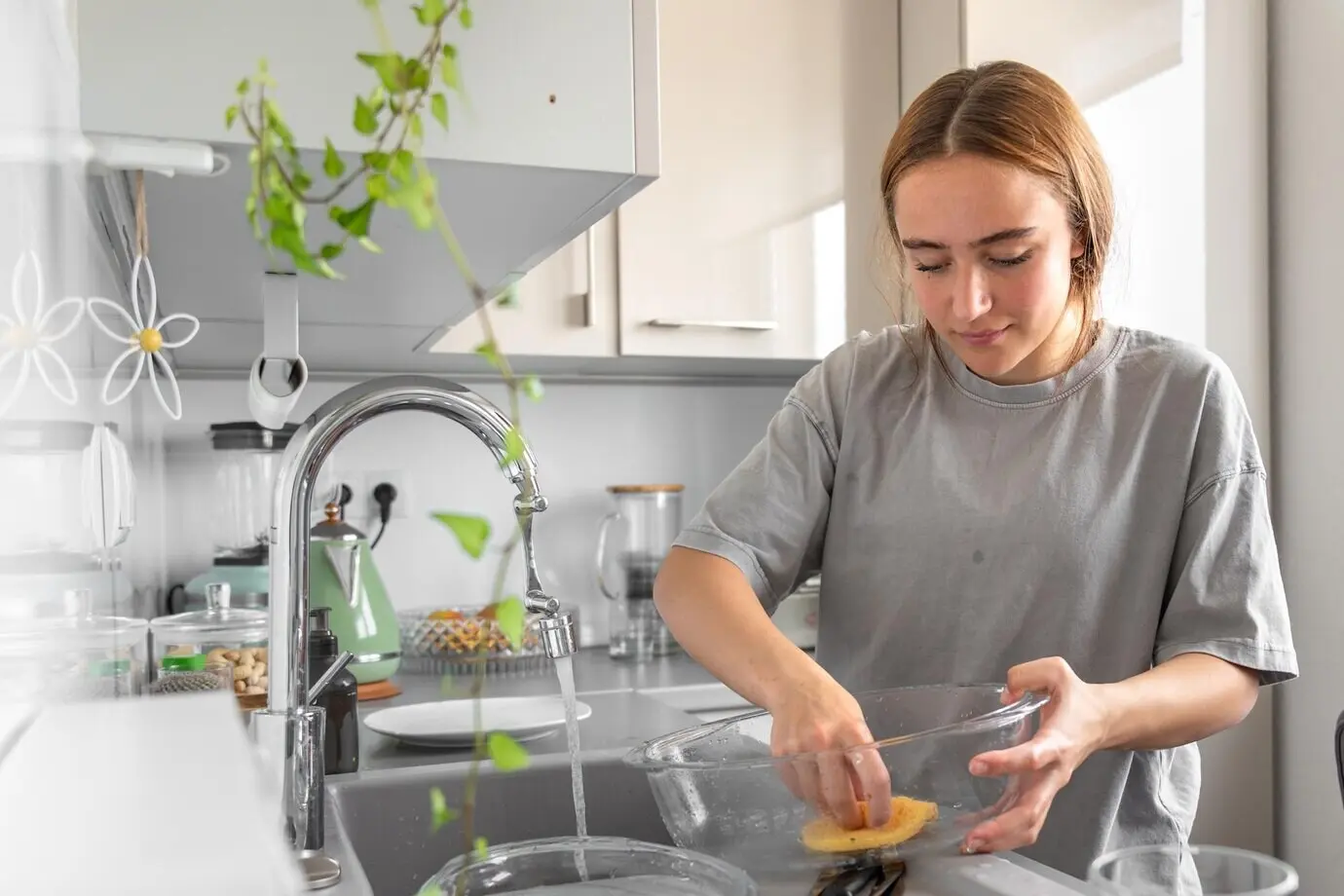
Water choices mirror our regard for neighbors, rivers, and future rain. A single slow leak can waste thousands of liters yearly, yet many fixes are quick, affordable, and satisfying. Shorter showers, aerators, and mindful dishwashing protect supplies while lowering energy for heating. Garden designs that welcome rain reduce runoff and urban flooding. Care ethics reframes conservation as kindness: we use what we need, share what we can, and repair promptly. Bring your best water-saving stories to inspire others.

Gentle Stewardship with Children

Children learn through stories, imitation, and invitations to help. Care ethics offers a warm frame: explore curiosity before rules, connect actions to kindness, and celebrate attempts. Reading about migrating birds before setting up a balcony birdbath, or tracking food scraps before starting compost, makes meaning tangible. Equip small hands with safe tools and honest roles. Share your family’s experiments and questions with us; we will gather age-appropriate ideas that turn responsibility into shared wonder.

Stories That Spark Responsibility

Begin with tales of rivers, forests, and neighborhoods where characters care for each other and their homes. Follow stories with simple acts—watering a plant, turning off unused lights, or thanking the bus driver. Curiosity grows when children feel capable. Create a library basket for nature books and draw scenes after reading. Invite kids to retell the stories at dinner. Through narrative, climate care becomes personal, hopeful, and doable, rooted in affection rather than anxiety alone.

Playful Experiments with Real Impact

Set up a clear jar to observe vegetable scraps decomposing, tracking changes with drawings. Build a solar oven from a pizza box for s’mores, or test which fabrics dry fastest on a line. Celebrate findings with stickers and a family cheers. Explain gently how these playful experiments connect to energy, soil, and kindness toward neighbors. Share your experiment photos and instructions so others can replicate. Play transforms learning into joy and creates memories that guide future choices.

Routines That Build Memory

Create a weekly rhythm: Friday fix-it hour, Saturday market walk with a seasonal ingredient challenge, or Sunday inventory to prevent leftovers from hiding. Kids can choose roles—label captain, switch-off scout, compost helper—and rotate proudly. Reflect briefly on what felt good and what was hard. These rituals anchor values without pressure, building muscle memory for care. Tell us which routine sticks in your household; we will feature a roundup to inspire gentle, sustainable habits everywhere.

Community Connections Beginning at the Doorstep

Home is the launchpad for wider change. When we share tools, host swaps, check on elders during heat, and write thoughtful letters to decision-makers, private care becomes public resilience. Invitations matter: a hand-written note, a pot of tea, a practical guide by the elevator. Start where energy feels welcoming, then expand. Tell us how you connect beyond your threshold, and subscribe to receive monthly community ideas, templates, and success stories you can adapt immediately.

Hosting Swap Circles

Clothing, books, toys, and kitchenware carry long lives when they circulate. Set a friendly date, plan simple labeling, and invite neighbors to bring one helpful tip each—repair contacts, favorite tailors, or easy recipes. Offer tea and music to make it celebratory. Leftovers can be donated thoughtfully. Swaps reduce waste and create friendships that support deeper climate action later. Share your event checklist and a photo of your coziest corner so others can host with confidence.

Mutual Aid for Heatwaves and Storms

Create a buddy list for check-ins during heat or outages, noting who needs fans, medications, or accessible stairs. Map nearby cooling centers and share hydration tips. Encourage window shading, cross-ventilation, and evening walks when safe. A caring message can save stress and lives. After events, debrief gently: what worked, what did not, and what supplies belong in a communal bin. Tell us your mutual-aid practices so we can publish a living guide for neighbors everywhere.

Letters That Change Policy

Policy shifts when voices are specific and kind. Write to landlords about sealing drafts, to councils about safer cycling, or to utilities about helpful demand-response programs. Mention lived impacts—bills, comfort, child asthma—then propose workable steps and offer partnership. Share your letter template with our readers, and subscribe for monthly prompts, research links, and success stories. Caring words open doors that data alone cannot, aligning household wisdom with decisions that shape healthier, more resilient neighborhoods.

Pehiluvamixihapelere
Privacy Overview

This website uses cookies so that we can provide you with the best user experience possible. Cookie information is stored in your browser and performs functions such as recognising you when you return to our website and helping our team to understand which sections of the website you find most interesting and useful.