Narratives That Make Greener Living Feel Natural

We’re diving into narrative design for shaping eco-friendly household habits, weaving characters, arcs, and emotionally resonant plots into everyday routines so small actions feel meaningful, memorable, and worth repeating. Expect practical prompts, ethical guardrails, and real stories showing how storytelling nudges dishes, switches, taps, and bins toward better outcomes without judgment or overwhelm—just warmth, clarity, and a sense that your home is writing its own hopeful chapter.

Stories That Turn Switches Off and Habits On

Narrative design helps a light switch become more than a plastic lever; it becomes the last line of defense before the city sleeps, or the quiet finale of your evening scene. By framing actions as satisfying plot beats, we transform forgettable chores into memorable cues. When people feel transported by a story, they mirror protagonists, practice new scripts, and keep going because the next scene is waiting. That’s the secret to sustaining eco-friendly routines.

Designing Protagonists, Settings, and Stakes at Home

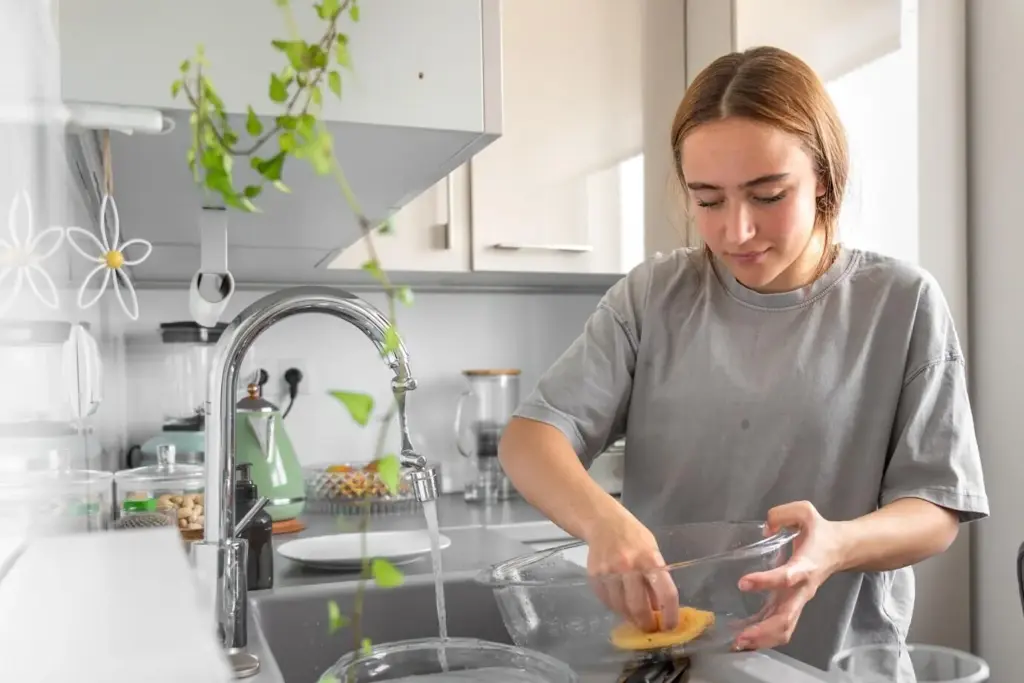
Every household has protagonists who juggle time, budgets, and care. We design with empathy, mapping motivations, moments of fatigue, and gleaming chances for delight. The setting matters: a kitchen becomes a backstage packed with props, while the hallway turns into a runway for shoes drying après-rain. Stakes should feel real yet kind: savings, comfort, shared pride, and future resilience. When stories honor constraints and celebrate creativity, eco-friendly habits become natural expressions of who you already are.

Cue–Routine–Reward as a Family Story

Choose a dependable cue, such as the sound of brushing teeth. Define a simple routine, like visiting three rooms to dim and unplug. Offer a reward that matters now: cozy lamplight, a shared laugh, or a minute of quiet stretching. Narrate the passage as a familiar scene. Repetition teaches your body the choreography, and the story lends meaning. When stress rises, the script still runs. That’s resilience built from gentle, memorable storytelling instead of brittle rules.

Seasons and Chapters That Keep Things Fresh

Mark transitions with chapter titles: Spring Reset for airflow and filters, Summer Shade for cooling habits, Harvest Mindset for food storage, Winter Glow for heat and light stewardship. Each chapter rotates props, refreshes dialog cards, and reframes goals. Variety locks attention while retaining continuity. People anticipate premieres and finales, celebrating accumulated progress with small rituals. Seasonal arcs align with utility patterns and daylight shifts, turning adaptation into a creative practice instead of a confusing scramble.

Micro-Quests and Cliffhangers That Nudge Continuity

Set tiny quests with clear endings: “Rescue three leftovers before Friday,” “Tame two leaky drafts by dusk,” “Find a second life for one container today.” End with a cliffhanger that points to tomorrow’s scene. Your brain loves closure and hates dropped threads, so it returns willingly. Micro-quests are friction-light, completion-rich, and perfectly suited to busy households. They stack into meaningful reductions without drama, proving that humble acts, repeated with curiosity, outperform grand plans abandoned under pressure.

Evidence, Integrity, and Cultural Care

Narrative transportation research suggests that compelling stories shift attitudes and behaviors by inviting identification and rehearsal. Yet integrity matters more than cleverness. Transparent goals, informed participation, and cultural sensitivity keep trust intact. Avoid guilt traps or hidden metrics; explain how data informs adjustments. Invite critique and adapt language so every voice feels welcome. A design that respects autonomy protects relationships and ensures greener routines are embraced, not endured. Ethics is not extra—it is the engine of durability.

Practical Kits You Can Use Tonight

Community Momentum and Lasting Engagement

Sustainable habits strengthen when stories circulate beyond one doorway. Neighborhood exchanges, group challenges, and friendly recognition convert individual efforts into shared lore. People borrow successful scripts, remix props, and motivate each other without pressure. Plan for continuity: rotate hosts, archive experiments, and celebrate handoffs. If life gets busy, the story pauses rather than collapses because the group remembers the plot. Social proof blends with neighborly kindness, forming a resilient stage where eco-friendly practices naturally endure.

Neighborhood Story Swaps and Repair Nights

Host casual gatherings where people share tiny wins and near-misses. Open with one-minute tales: a naming ritual for the compost, a window-shade choreography that kept rooms cool, a repaired kettle that became legend. Add a repair table and skill swap so stories move straight into hands-on practice. The blend of narrative and tinkering is contagious. You leave with a new line for your script, a fixed hinge, and renewed motivation that belongs to everyone, not just you.

Gentle Digital Rituals That Nudge Without Noise

Set opt-in reminders named like scenes—“Curtains Close,” “Fridge Forage,” “Sunday Reset”—at respectful times. Attach a single sentence of narrative rather than a command. Use shared notes for evolving checklists and a photo thread for tiny triumphs. Keep notifications sparse and celebratory, never frantic. In the background, archive learnings into a shared document so newcomers can onboard quickly. Technology becomes a soft chorus that supports memory, preserves culture, and stays quiet when life already feels loud.
Pehiluvamixihapelere
Privacy Overview

This website uses cookies so that we can provide you with the best user experience possible. Cookie information is stored in your browser and performs functions such as recognising you when you return to our website and helping our team to understand which sections of the website you find most interesting and useful.